
Tenancy in common
Understanding TICs
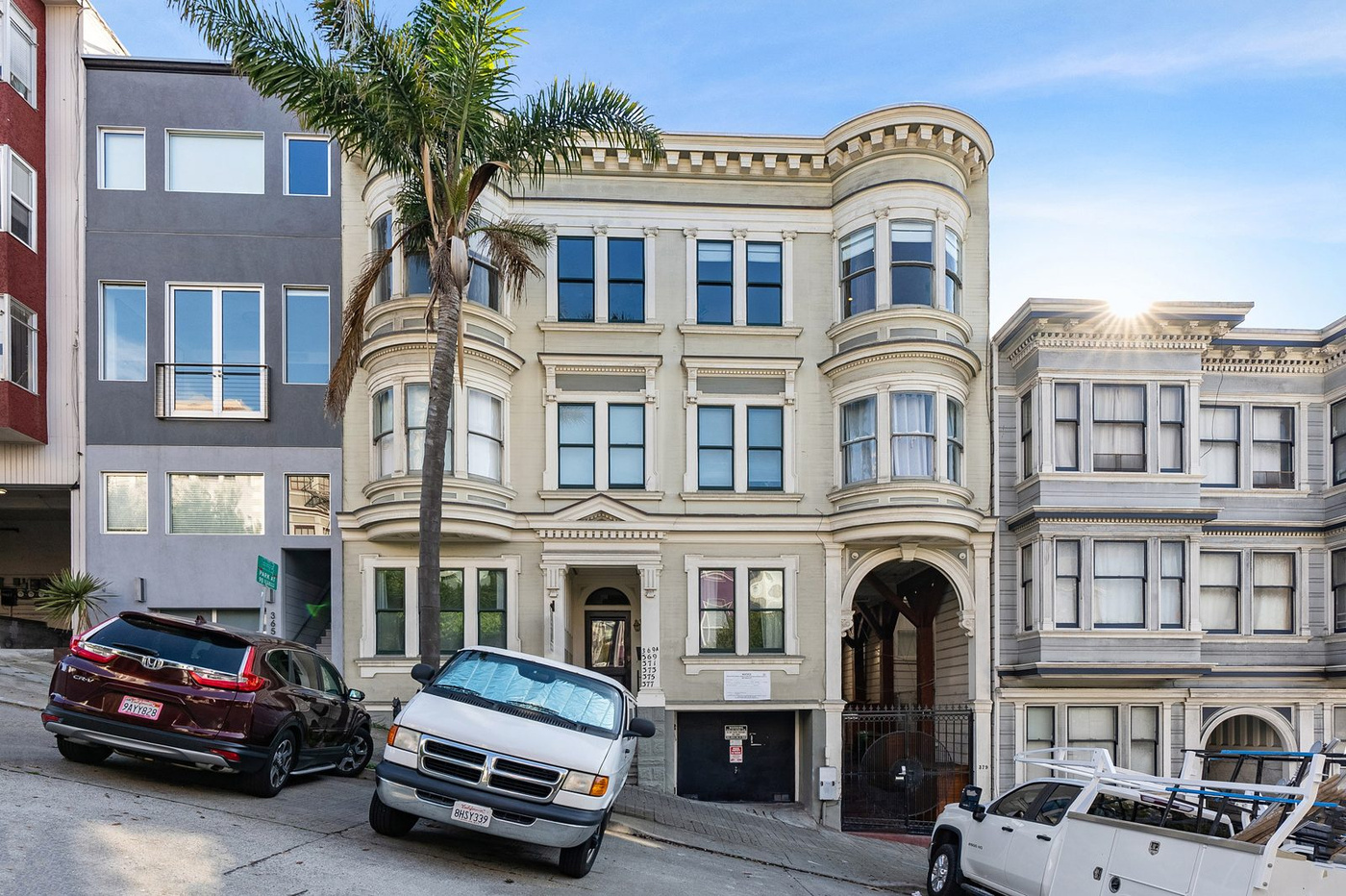
Half the Victorians you fall for on a Sunday walk are TICs. They're 10–20% below a comparable condo, they come with their own lenders and their own rulebook, and once you understand the structure they are a lot less mysterious than they sound. This is the version I'd explain to a friend.


The cheat sheet
Tap through the short version. The full guide, with the FAQs and the selling section, is one click away.
Two or more owners each hold a fractional interest in one property. You get your own deed, your own loan, and exclusive rights to your unit. The lot is never subdivided, so there's one tax bill split between owners, and one agreement that runs the building.
Most SF TICs are space-assignment co-ownerships: the agreement assigns each owner a specific flat plus its parking, storage, and deck. Day to day it feels like a condo. On paper it's a partnership, which is why the paperwork matters more.
| TIC | Condo | |
|---|---|---|
| Price | 10–20% below a comparable condo | Market rate |
| Loans | Fractional, TIC lender, ~0.25–0.75% higher | Conventional, any lender |
| Title & tax | Shared title, one APN, one bill split by owner | Your own |
| Risk | Separate loans, no cross-default | Separate loans |
| Renting | SF rent control applies | Generally exempt |
| Tax benefits | Same as any homeowner | Same |

The TICA is the rulebook and the first document I read on any TIC listing. A thin or outdated one isn't a dealbreaker, but it's a conversation we have early, and a TIC attorney reviews it before you sign anything.

This is my list, and running it is my job. It just helps to know what we're looking at.
Want it on paper?
Same list, plus the stats and the comparison, as a PDF you can keep on your phone for tours.
Send me the cheat sheet

The one-page version
Everything above on one page: the stats, the comparison, financing basics, and the buyer checklist I run on every TIC. It's the sheet I'd hand you at a first tour. Signing up also unlocks the full guide, with the FAQs and the selling section.
You're in. Open the cheat sheet or the full guide any time from this device.
Book a free 20-min chat
Thinking about a TIC?
Every TIC is its own little building with its own rulebook. The right time to get into the details is once we're working together, not after an offer is already on the table.